Carità cristiana oltre ogni appartenenza
- Details
- Hits: 2975
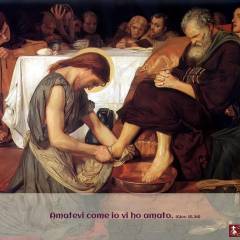
 I cristiani sono chiamati a testimoniare la carità di Cristo nei confronti di tutti gli uomini, qualunque sia la loro appartenenza. Lo ha detto il Papa a presuli di rito latino delle province indiane di Hyderabad, Visakapattanam, Verapoly e Trivandrum, ricevuti in udienza questa mattina, lunedì 30 maggio, in visita ad limina. Il Pontefice ha anche invitato a difendere e riaffermare il ruolo della famiglia come Chiesa domestica.
Dear Brother Bishops,
I offer you a warm welcome on the occasion of your visit ad Limina Apostolorum, a particular moment of grace and a sign of the communion that exists between the Church in India and the See of Peter. I wish to thank Archbishop Maria Callist Soosa Pakiam for the devoted sentiments and the promise of prayers which he has voiced on your behalf and in the name of all those whom you serve. Please take with you my affectionate greeting to the priests, the men and women religious, and the laity entrusted to your pastoral care. The Second Vatican Council reminds us that, among the more important responsibilities of Bishops, the proclamation of the Gospel is pre-eminent (cf. Lumen gentium, 25). For the Church, the Body of Christ, proclaims the word of God which is at work in the hearts of those who believe (cf. 1 Thess 2:13) and she grows by constantly hearing, celebrating and studying that word (cf. Verbum Domini, 3). It is a source of satisfaction that the proclamation of God's word is bearing rich spiritual fruit in your local Churches, especially through the spread of small Christian communities in which the faithful come together for prayer, reflection on the Scriptures and fraternal support. I encourage you, through your priests and with the help of qualified lay leaders, to ensure that the fullness of God's word, which comes to us in the sacred Scriptures and the Church's apostolic tradition, is made readily available to those who seek to deepen their knowledge and love of the Lord and their obedience to his will. Every effort should be made to stress that individual and group prayer is, by its very nature, born of, and leads back to, the wellspring of grace found in the Church's sacraments and her entire liturgical life. Nor can it be forgotten that the word of God not only consoles but also challenges believers, as individuals and in community, to advance in justice, reconciliation and peace among themselves and in society as a whole. Through your personal encouragement and oversight, may the seeds of God's word presently being sown in your local Churches bear abundant fruit for the salvation of souls and the growth of God's kingdom.
In fidelity to the new commandment to love one another as the Lord has loved us (cf. Jn 13:34), Christians of all times and places have striven to serve their fellow human beings selflessly and to love them with all their heart. After all, love is God's gift to humanity, it is his promise and it is our hope (cf. Caritas in veritate, 2). This selfless love finds practical expression in service to others and to the wider community. In this light, I am pleased to note the impressive signs of the Church's charity in many fields of social activity, a service borne in a particular way by her priests and religious. Through their witness to Christian charity, the Church's schools prepare young people of all faiths and none to build a more just and peaceful society. Church agencies have been instrumental in the promotion of microcredit, helping the poor to help themselves. In addition, they promote the Church's healing and charitable mission through clinics, orphanages, hospitals and innumerable other projects aimed at promoting human dignity and well-being, assisting the poorest and the weakest, the lonely and the elderly, the abandoned and the suffering, helping all of them because of the dignity which is their due as human beings, and for no other motive than the love of Christ which impels us (cf. 2 Cor 5:14). I encourage you to persevere in this positive and practical witness, in fidelity to the Lord's command and for the sake of the least of our brothers and sisters. May Christ's faithful in India continue to assist all those in need in the communities around them, regardless of race, ethnicity, religion or social status, out of the conviction that all have been created in God's image and all are due equal respect.
As that gift of God's "unconditional love" which gives ultimate meaning to our lives (cf. Spe salvi, 26), charity is first experienced by most of us in the family home. The recent Synod on the Word of God recalled that the Church, by her proclamation of the Gospel, reveals to Christian families their true identity in accordance with God's plan (cf. Verbum Domini, 85). Families in your dioceses, which are "domestic churches", are to be examples of that mutual love, respect and support which ought to animate human relations at every level. Insofar as they are attentive to prayer, meditate on the Scriptures, and participate fully in the sacramental life of the Church, they will help nourish that "unconditional love" among themselves and in the life of their parishes, and will be a source of great good for the wider community. Many of you have spoken to me about the grave challenges which threaten to undermine the unity, harmony and sanctity of the family, and about the work which must be done to build a culture of respect for marriage and family life. A sound catechesis which appeals especially to those preparing for marriage will do much to nourish the faith of Christian families and will assist them in giving a vibrant, living witness to the Church's age-old wisdom regarding marriage, the family, and the responsible use of God's gift of sexuality.
With these thoughts, dear Brother Bishops, I commend all of you to the intercession of Mary, Mother of the Church, and the Holy Apostles Peter and Paul. Assuring you of my continued prayers for you and for those entrusted to your pastoral care, I impart my Apostolic Blessing as a pledge of grace and peace in the Risen Lord.
Del discorso del Papa diamo una nostra traduzione in italiano.
Cari Fratelli Vescovi,
vi porgo un affettuoso benvenuto in occasione della vostra visita ad limina Apostolorum, un particolare momento di grazia e un segno della comunione che esiste fra la Chiesa in India e la Sede di Pietro. Desidero ringraziare l'Arcivescovo Maria Callist Soosa Pakiam per i sentimenti devoti e la promessa di preghiere che ha espresso a nome vostro e di quanti servite. Vi prego di trasmettere il mio saluto affettuoso ai sacerdoti, ai religiosi, uomini e donne, e ai laici affidati alla vostra sollecitudine pastorale.
Il Concilio Vaticano Secondo ci ricorda che, fra i doveri più importanti dei Vescovi, eccelle la predicazione del Vangelo (cfr. Lumen gentium, n. 25). Infatti, la Chiesa, il Corpo di Cristo, proclama la parola di Dio che è all'opera nei cuori di quanti credono (cfr. 1 Ts 2, 13) e cresce sempre ascoltando, celebrando e studiando quella Parola (cfr. Verbum Domini, n. 3). È motivo di soddisfazione il fatto che l'annuncio della Parola di Dio stia recando frutti spirituali abbondanti nelle vostre Chiese locali, in particolare tramite la diffusione di piccole comunità cristiane, nelle quali i fedeli si riuniscono per pregare, riflettere sulle Scritture e sostenersi fraternamente. Vi incoraggio, attraverso i vostri sacerdoti e con l'aiuto di responsabili laici qualificati, a garantire che la pienezza della Parola di Dio, che giunge a noi nelle Sacre Scritture e nella tradizione apostolica della Chiesa, sia resa prontamente disponibile a quanti cercano di approfondire la conoscenza e l'amore del Signore e la propria obbedienza alla sua volontà. Si dovrebbe fare di tutto per sottolineare che la preghiera individuale e collettiva, per sua stessa natura, deriva dalla sorgente di grazia che si trova nei sacramenti della Chiesa e in tutta la sua vita liturgica e ad essa riconduce. Né si può dimenticare che la Parola di Dio non solo conforta, ma anche sfida i credenti, come singoli individui e membri di comunità, a promuovere la giustizia, la riconciliazione e la pace fra loro e nella società nella sua interezza. Attraverso il vostro incoraggiamento e la vostra supervisione personali, che i semi della Parola di Dio piantati ora nelle vostre Chiese locali rechino frutti abbondanti per la salvezza delle anime e per la crescita del Regno di Dio.
In fedeltà al nuovo comandamento di amarci gli uni gli altri come Dio ci ha amato (cfr. Gv 13, 34), i cristiani di tutti i tempi e di tutti i luoghi hanno lottato per servire gli altri esseri umani, loro compagni, e per amarli con tutto il cuore. Dopo tutto, l'amore è il dono di Dio all'umanità, è la sua promessa e la nostra speranza (cfr. Caritas in veritate, n. 2). Questo amore generoso trova espressione concreta nel servizio agli altri e alla più ampia comunità. In questa luce, sono lieto di osservare i segni incisivi della carità della Chiesa in molti campi di attività sociale, un servizio scaturito, in particolare, dai suoi sacerdoti e religiosi. Attraverso la loro testimonianza della carità cristiana, le scuole della Chiesa preparano i giovani di tutte le fedi, o anche di nessuna, a edificare una società più giusta e pacifica. Gli organismi della Chiesa sono stati strumentali nella promozione del microcredito, aiutando i poveri ad aiutare se stessi. Inoltre, promuovono la missione ecclesiale relativa alla carità e alla salute attraverso cliniche, orfanotrofi, ospedali e altri innumerevoli progetti volti a promuovere la dignità e il benessere umani, assistendo i più poveri e deboli, le persone sole e anziane, abbandonate e sofferenti, aiutandole tutte in virtù della dignità che è loro dovuta in quanto esseri umani, e per nessun altro motivo che quello dell'amore di Cristo che ci spinge (cfr. 2 Cor 5, 14). Vi incoraggio a perseverare in questa testimonianza positiva e concreta, in fedeltà al comandamento del Signore e per il bene degli ultimi fra i nostri fratelli e sorelle. Che i fedeli di Cristo in India continuino ad assistere tutti i bisognosi nelle comunità intorno a loro, indipendentemente dalla razza, dall'appartenenza etnica, dalla religione o dallo status sociale, convinti del fatto che tutti sono stati creati a immagine di Dio e tutti meritano uguale rispetto.
In quanto dono di "amore incondizionato" che dà significato definitivo alla nostra vita (cfr. Spe salvi, n. 26), la carità viene prima vissuta dalla maggior parte di noi nella famiglia. Il recente Sinodo sulla Parola di Dio ha ricordato che la Chiesa, con il suo annuncio del Vangelo, rivela alle famiglie cristiane la loro identità autentica secondo il disegno di Dio (cfr. Verbum Domini, n. 85). Nelle vostre diocesi, le famiglie, che sono "Chiese domestiche", devono essere esempi di quell'amore, rispetto e sostegno reciproci che dovrebbero animare i rapporti umani a ogni livello. In quanto sono attente alla preghiera, alla meditazione delle Scritture e alla partecipazione piena alla vita sacramentale della Chiesa, contribuiranno ad alimentare "quell'amore incondizionato" fra loro e nella vita delle proprie parrocchie e saranno una fonte di grande bene per la più ampia comunità. Molti di voi mi hanno parlato delle sfide gravi che minacciano di minare l'unità, l'armonia e la santità della famiglia e dell'opera che dobbiamo compiere per creare una cultura di rispetto per il matrimonio e per la vita familiare. Una catechesi sana che si rivolga soprattutto a quanti si preparano al matrimonio farà molto per alimentare la fede delle famiglie cristiane e le aiuterà a rendere una testimonianza vibrante e viva della sapienza secolare della Chiesa a proposito del matrimonio, della famiglia e dell'uso responsabile della sessualità, che è un dono di Dio.
Con queste riflessioni, cari fratelli Vescovi, affido tutti voi all'intercessione dei Santi Apostoli, Pietro e Paolo, e di Maria, Madre della Chiesa. Assicurandovi delle mie preghiere costanti per voi e per quanti sono affidati alla vostra sollecitudine pastorale, imparto la mia Benedizione Apostolica quale pegno di grazia e di pace nel Signore risorto.
(©L'Osservatore Romano 30-31 maggio 2011)