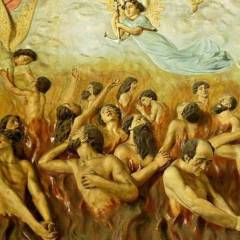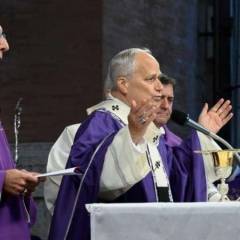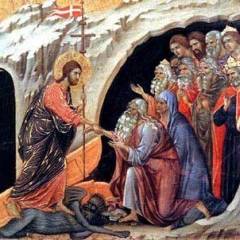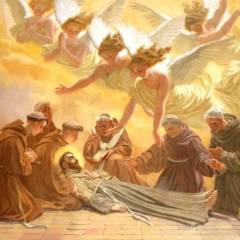
 On All Souls Day and throughout the month of November, the Catholic Church encourages her members to visit cemeteries, pray for the faithful departed, and undertake “almsgiving, indulgences, and works of penance” on their behalf (Catechism of the Catholic Church, 1032).
But beyond its personal and devotional significance, this solemnity also invites serious reflection on the doctrine of purgatory: the teaching that many people leave this world “in God’s grace and friendship” but still in need of further “purification” (CCC 1030). And it thereby taps into a broader debate that has been raging in the Church since the Second Vatican Council: How many people will be saved?
On the one side are universalists, who believe that everyone will be saved in the end, regardless of their religious perspective (if any), their sacramental union with the Church, or the moral quality of their lives. Though formally condemned as heretical, this viewpoint increasingly takes hold on the pastoral level, particularly at funerals: the deceased are presumed to be in heaven already, as if to suggest otherwise would be cruel.
Read more on CWR